Jan 4
Aarhus: Denmark's Quiet Queer Haven Emerging from Copenhagen's Shadow
READ TIME: 3 MIN.
Tucked along the Aarhus Bay in Denmark's Jutland peninsula, Aarhus stands as Denmark's second-largest city, often eclipsed by Copenhagen's global fame yet quietly cultivating a vibrant, understated queer scene. This compact coastal hub merges cutting-edge architecture with cozy hygge—Denmark's cultural embrace of coziness—creating an environment where queer travelers find genuine acceptance without the glare of tourist spotlights. Unlike the rainbow-drenched streets of Berlin or Amsterdam, Aarhus's queerness integrates seamlessly into daily life, met with a casual shrug that signals deep-rooted progressiveness.
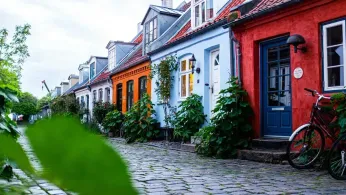
What elevates Aarhus as welcoming for LGBTQ+ visitors is its international student population and university-driven activism, fostering events like LGBT+ art exhibitions and open mic nights hosted by queer collectives. Rainbow flags wave proudly from independent cafés in the Latin Quarter, a historic district of colorful half-timbered houses and cobblestone alleys where locals sip coffee amid street art. These spots, such as those around the Aarhus Cathedral, double as informal gathering points for transgender people, non-binary folks, and same-gender-loving couples, offering a safe space for unhurried conversations. The city's bike-friendly streets—over 300 kilometers of paths—encourage exploration, leading to windswept beaches like those at Risskov Strand, where queer locals picnic and swim in the chilly Kattegat Sea.
Denmark's national commitment to LGBTQ+ rights underpins Aarhus's appeal; same-sex marriage has been legal since 2012, and the country ranks among the world's most accepting, with strong anti-discrimination laws protecting queer identities. Local insights from queer residents highlight this normalcy: drag shows pop up in unexpected venues like community libraries, blending performance art with everyday hygge. One Aarhus-based queer collective organizes these events monthly, drawing diverse crowds including lesbian, gay, bisexual, transgender, and queer individuals who appreciate the low-key vibe. This contrasts with louder scenes elsewhere, positioning Aarhus as ideal for queer travelers desiring substance over spectacle.
Aarhus pulses with cultural depth that resonates deeply with queer sensibilities, anchored by world-class institutions like ARoS Aarhus Art Museum. This striking museum, with its rainbow-hued panorama tower designed by Olafur Eliasson, symbolizes inclusivity while housing contemporary queer art exhibitions that explore identity and belonging. Visitors ascend the 360-degree walkway, painted in spectral colors, for views over the city's red-tiled rooftops and the shimmering bay—a metaphor for the spectrum of LGBTQ+ experiences celebrated here. Nearby, Den Gamle By, an open-air museum recreating Danish life across centuries, features period-accurate homes where guides share stories of hidden queer histories from the 1920s onward.
The Latin Quarter buzzes with queer-friendly haunts: grab smørrebrød—open-faced rye sandwiches topped with herring, remoulade, and dill—at queer-owned spots like those flagged with rainbow stickers, where owners chat openly about local Pride planning. Stroll to the Botanic Garden for serene paths lined with exotic plants, a favorite for queer couples seeking quiet dates amid blooming rhododendrons. Evenings lead to the docklands, where repurposed warehouses host underground queer events—think intimate drag brunches with local performers channeling Danish wit over aquavit shots.
Aarhus Pride exemplifies the city's mighty yet short parade, a highlight that packs emotional punch despite its scale. Held annually in summer, it weaves through central streets, featuring floats, live music, and booths from LGBTQ+ organizations advocating for transgender rights and intersex visibility. Participants, from leather-clad gay men to families with non-binary youth, chant slogans of unity amid cheering crowds lining Frederiksgade. Post-parade parties spill into parks, with picnics of pickled herring and rugbrød under sunny skies, fostering connections that extend year-round.
Queer community insights reveal Aarhus's strength in grassroots networks. Local groups like those mentioned in travel reports host weekly meetups at cafés, providing peer support for queer immigrants and asexual individuals navigating Danish life. One resident collective runs drag shows in libraries, transforming quiet reading rooms into stages for lip-sync battles to ABBA remixes, blending education with entertainment. These events underscore the community's role in making Aarhus a safe harbor, where police presence at Pride is supportive, not performative. For travelers, apps like those connecting to local queer guides offer insider tips on hidden beach bars where sunset views pair with inclusive vibes.
Aarhus's emergence stems from its blend of accessibility and authenticity—reachable by a quick train from Copenhagen, it avoids overtourism while building queer infrastructure. Queer-owned boutiques in the city center stock artisanal jewelry inspired by Nordic myths reimagined through LGBTQ+ lenses, like rune necklaces symbolizing fluid identities. The harbor baths invite swims in heated pools overlooking ferries to Samsø island, a day-trip spot for queer nature lovers hiking cliffside trails.
As word spreads via 2025 travel lists, Aarhus cements its status: progressive policies, cultural immersion, and a community that welcomes all LGBTQ+ identities without fanfare. It's a destination where queer travelers recharge amid modern Viking vibes—kayaking the bay at dawn, then toasting with locals at a fika spot. For those tired of predictable lists, Aarhus delivers: a hidden gem where queerness thrives quietly, profoundly.